
Mannanoligosaccharides (MOS) are a group of complex carbohydrates derived from the cell walls of yeasts, fungi, and certain plants. They consist of mannose sugar units connected by glycosidic bonds. MOS has gained significant attention in animal nutrition due to its various beneficial effects on animal health and performance. This article explores the concept of MOS and its role in animal nutrition.
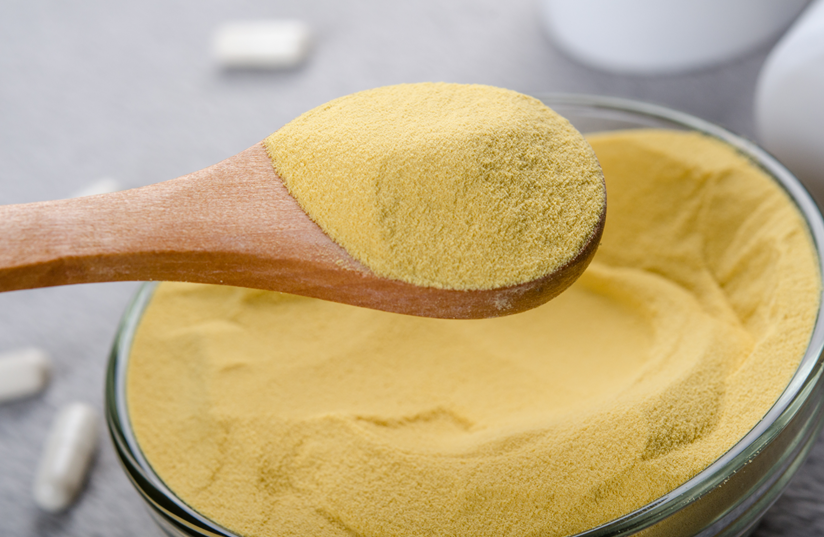
Composition and Structure:
MOS primarily consists of short-chain oligosaccharides composed of mannose units, often with side chains of glucose or other sugars. These complex carbohydrates are resistant to digestion by host enzymes and reach the large intestine intact. The specific structure and composition of MOS may vary depending on the source and manufacturing process.
Prebiotic Effect:
One of the key roles of MOS in animal nutrition is its prebiotic effect. MOS serves as a substrate for beneficial gut bacteria, such as lactobacilli and bifidobacteria, in the large intestine. These bacteria ferment MOS, leading to the production of short-chain fatty acids (SCFAs) like butyrate. SCFAs serve as an energy source for intestinal cells and promote a healthy gut environment by maintaining proper pH levels, supporting gut barrier function, and inhibiting the growth of harmful pathogens.
Immunomodulation:
MOS exhibits immunomodulatory properties by influencing the immune system of animals. It can enhance the activity of immune cells, including macrophages, natural killer cells, and lymphocytes. MOS stimulates the production of cytokines and immunoglobulins, thereby enhancing immune responses. By promoting a balanced immune system, MOS helps animals to better resist infections, diseases, and environmental stressors.
Pathogen Binding and Gut Health:
MOS has the ability to bind to certain pathogens, including pathogenic bacteria like Salmonella and E. coli, preventing their attachment to the gut epithelium. This competitive exclusion mechanism reduces the colonization of pathogens and their harmful effects on animal health. MOS also contributes to the maintenance of gut health by improving the integrity of the intestinal lining, reducing gut inflammation, and supporting nutrient absorption.
Performance Enhancement:
The positive impact of MOS on animal performance has been widely observed. Animals supplemented with MOS have shown improved growth rates, feed efficiency, and nutrient utilization. MOS’s ability to support gut health and modulate the immune system contributes to better overall health and vitality, leading to enhanced productivity in livestock and improved performance in companion animals.
Application in Animal Nutrition:
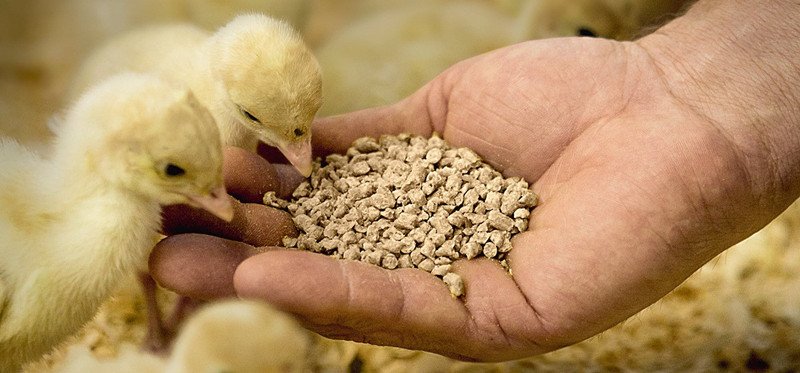
MOS is commonly used in animal nutrition as a feed additive, especially in the diets of poultry, swine, and ruminants. It is available in various forms, including powders, liquids, and encapsulated products. MOS can be incorporated into premixes, compound feeds, or directly added to drinking water or feed. The dosage of MOS may vary depending on the target animal species, age, and specific health requirements.
Conclusion:
Mannanoligosaccharides (MOS) play a vital role in animal nutrition. As a prebiotic, MOS promotes the growth of beneficial gut bacteria, improves gut health, and strengthens the immune system. Its ability to bind pathogens, enhance performance, and support overall animal health makes MOS a valuable component in animal feed formulations. Further research and understanding of MOS’s mechanisms and interactions in different animal species will continue to enhance its application and benefits in animal nutrition.
Note: It is recommended to consult with animal nutritionists or veterinarians for appropriate dosage and application of MOS in specific animal diets.
