
Yeast hydrolysate is a nutrient-rich feed ingredient that is derived from the breakdown of yeast cells through a process called hydrolysis. It is a source of high-quality protein and various other nutrients that are essential for the health and growth of animals. Here are some of the key benefits of yeast hydrolysate in animal feed:
High-quality protein
Yeast hydrolysate is a rich source of protein, which is essential for the growth, development, and repair of tissues in animals. It is also a good source of amino acids, which are the building blocks of proteins.
Improved nutrient absorption
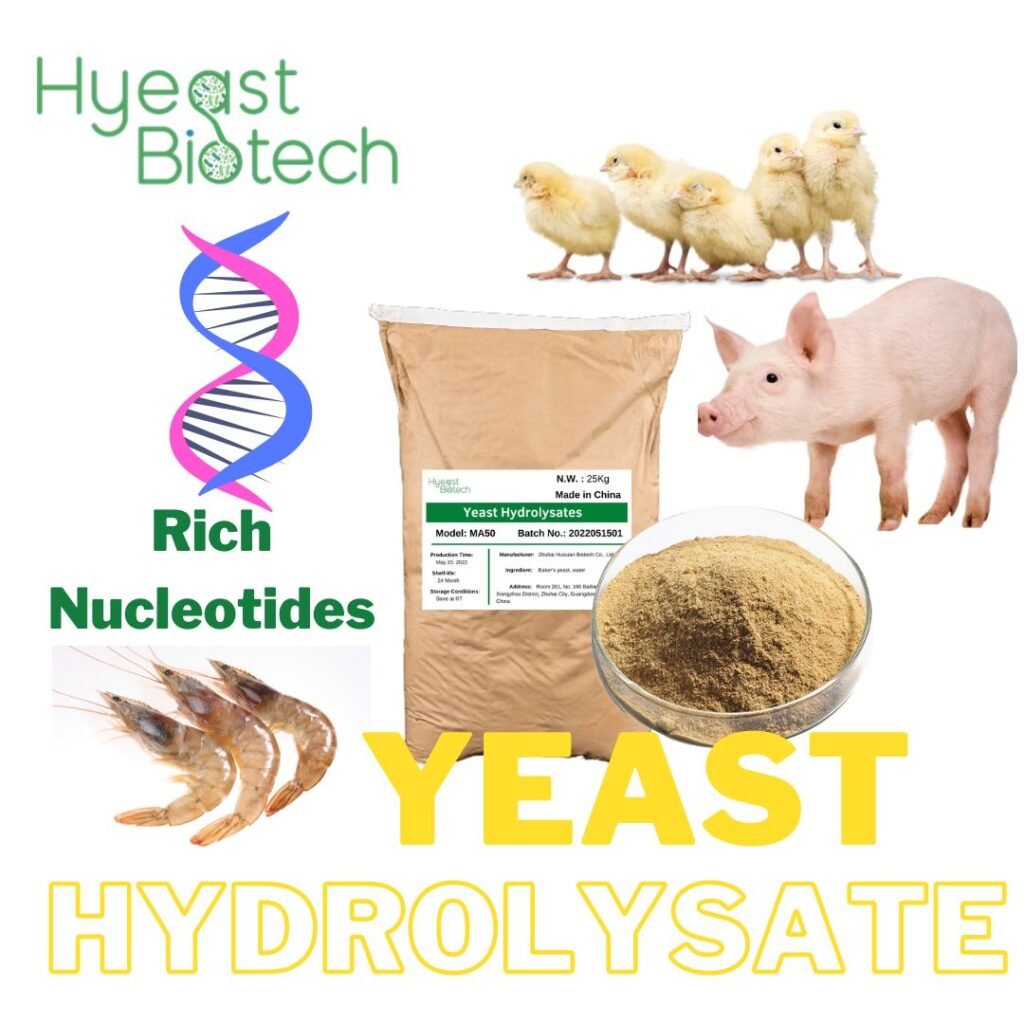
Yeast hydrolysate contains various enzymes and other bioactive compounds that can help improve nutrient absorption in the gut of animals. This can lead to better utilization of the nutrients in the feed and ultimately improve the overall health and performance of the animals.
Improved immune function
Yeast hydrolysate contains various immune-supportive compounds such as beta-glucans, mannan oligosaccharides, and nucleotides, which can help improve the immune function of animals. This can help reduce the risk of infections and diseases, as well as improve the overall health and well-being of the animals.
Increased growth and performance
The high-quality protein and other nutrients in yeast hydrolysate can help improve the growth and performance of animals, particularly in livestock such as poultry, swine, and ruminants. It can also be beneficial for pets, helping to maintain a healthy weight and overall health.
Improved feed efficiency
Yeast hydrolysate can help improve feed efficiency, which refers to the amount of feed required to produce a unit of animal product (such as milk or meat). This can help reduce the overall cost of feed and improve the sustainability of animal agriculture.
Conclusion
Overall, yeast hydrolysate is a valuable feed ingredient that can provide numerous benefits for the health and performance of animals. It is a good source of high-quality protein and various other nutrients, and can help improve nutrient absorption, immune function, growth, and feed efficiency. Consultation with a veterinarian or a qualified animal nutritionist is recommended to determine the appropriate dosage and use of yeast hydrolysate in animal feed.
