
Yeast extract is a natural by-product of the brewing industry, and it is rich in nutrients that can provide many benefits for animals. Yeast extract is a great source of protein, B-vitamins, minerals, and amino acids, making it an excellent addition to animal feed.
First, yeast extract is a great source of protein for animals. Protein is essential for the growth and repair of tissues, and yeast extract provides a high-quality source of protein that can be easily digested by animals. This can help to improve the overall health and well-being of animals, especially those in growth stages.
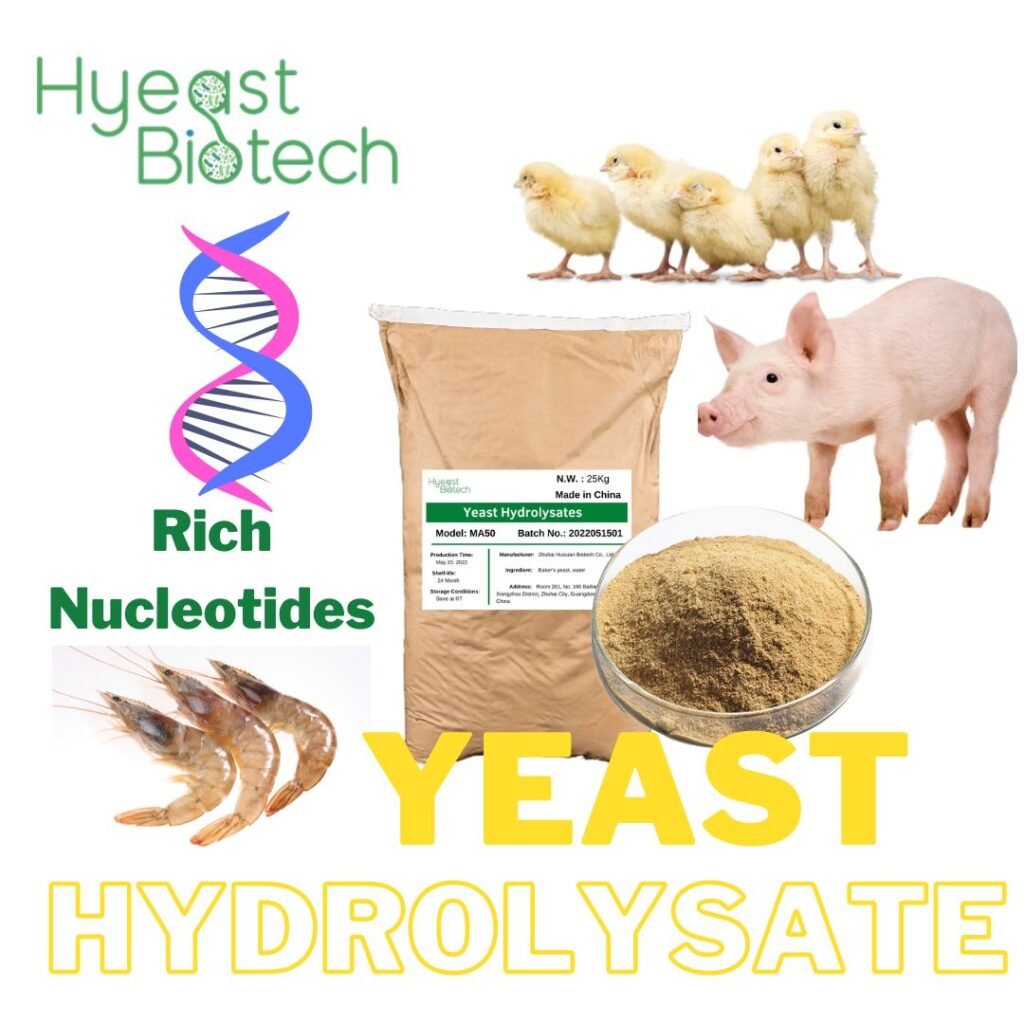
Yeast extract is also a rich source of B-vitamins. These vitamins are essential for the proper functioning of the nervous system and metabolism. B-vitamins can help to maintain healthy skin, coat, and hooves in animals and also help to improve their overall health.
Amino acids are the building blocks of proteins and are essential for the growth and repair of tissues. Yeast extract is rich in amino acids, which can help to maintain strong bones, muscles, and joints in animals. This can be especially beneficial for animals in growth stages or those that engage in heavy activities.
Yeast extract has been found to have a positive impact on the immune system of animals. The high levels of protein, B-vitamins, and amino acids found in yeast extract help to boost the immune system, making animals less susceptible to disease and illness.

In addition, yeast extract is a cost-effective way to add nutritional value to animal feed. As a by-product of the brewing industry, yeast extract is a sustainable and eco-friendly option that can be produced in large quantities.
In conclusion, yeast extract is an excellent source of nutrition for animals. It provides a variety of beneficial nutrients such as protein, B-vitamins, minerals, and amino acids that can help to improve the overall health and well-being of animals. Yeast extract is also a sustainable and cost-effective option for animal feed. However, it’s important to consult with a veterinarian or nutritionist before adding yeast extract to an animal’s diet to ensure the appropriate amount and to take into account any possible allergies or reactions.
